Skip to content

Refining the editor’s role in inclusion with Alaina Lavoie

By David Phandara

The events of this past year have brought attention to the need for a wider variety of voices and reinvigorated the idea of diversity as an aspiration. ACES: The Society of Editors and its members are contributing to this discourse.

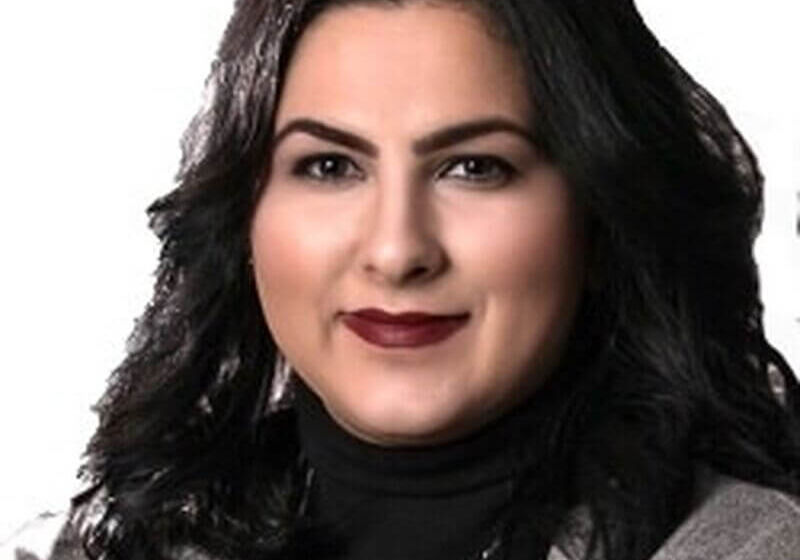
Alaina Lavoie, an ACES 2021 Online keynote speaker, discussed diversity in editing and how attendees can contribute to solutions for underrepresented and marginalized communities through radical editing.

“Language is always evolving, which means that tone evolves too, and tone can come across in everything from the words used to the way words are read aloud to an audience… Everything in writing makes an impact, even the small details we don’t expect,” said Lavoie.

Editors might turn to their trusty style guides for help, but this kind of guidance isn’t always offered. This is where radical editing plays its role. Radical editing offers stories that are made to be inclusive, even if they have to take unconventional routes to get there.

Radical editors do not need to follow the norm, but instead offer their assistance in shining a light on the writer’s message and aiding in bringing awareness to topics like race, gender, ability, and more that would normally be revised to follow the status quo.

“As editorial professionals, we don’t have to maintain the status quo. We don’t have to go along with what we’ve been told or what might be popular in outdated existing style guides,” said Lavoie.

Radical editing is not to take a neutral stance, but to take a stance that supports writers and enables them to uncover the truth and to include voices from communities who are often treated as invisible. Editors are taking to social media to do just that.

ACES member and student newsroom journalist Victoria Hicks often browses through Twitter and other social media platforms to find spaces for inclusive discussion.

“I’ve been getting into Clubhouse recently. I love how interactive and intimate the ‘lectures’ are, and love how easy it was to find a community of Black women in the publishing industry,” said Hicks.

Utilizing all that is available from social media reinforces how editors can radically edit, because editors use these platforms for a better understanding on how to edit with and for underrepresented and marginalized communities.

It’s important to look beyond a feed of self-curated information and to extend sourcing through unfamiliar hashtags and users. Accessing information from multiple sources allows for a more accurate perception of issues that affect society.

Lavoie recommends that editors focus on seeing people as people first and as professionals second.

Radical editing doesn’t have to be pretty, but when done well, it can contribute to important social changes by providing a path for more inclusion and diversity in the communications.

Well, now we’ve punned it. And described it. And headlined it.

Sep 28, 2026

ACES: The Society for Editing names the winners of its 2025-26 Headline Contest.

Read More

Six editors announced as recipients of the 2026 ACES Holden Diversity Fellowship

Sep 23, 2026

September 22, 2026 · By ACES Staff · ACES News Six talented editors have been selected as the seventh class of recipients of the Richard S. Holden Diversity Fellowship, a collaboration of ACES: The Society for Editing and the Dow Jones News Fund. This year’s fellows are Afia Agyapomaa Ofosu, Inez Woody, Jasmine Stole, Stephanie…

Read More

Readers respond more strongly to deeper editing, ACES study finds

Sep 15, 2026

Readers are more likely to notice and value editing when it improves how content is organized, understood, and experienced, according to a new study from ACES: The Society for Editing.

Read More

How to convince your boss to send you to an ACES conference

Aug 26, 2026

You know an ACES conference can leave you with new ideas, stronger skills, and fresh approaches to your work. But getting your boss to approve the investment may require showing how attending can benefit not only you but also your organization.

Read More

A new year for ACES: Reflections and what’s ahead

Jul 16, 2026

A new fiscal year is always a good moment to pause, look back at what we’ve built together, and look forward to what’s coming next. There’s a lot to say on both counts.

Read More

Words, people, and the privilege of serving ACES

Jul 16, 2026

I’ve told the story of my first ACES conference many, many times. Partially because it’s such a fond personal memory, but mostly because it shows how ACES brings editors together and helps them feel like they belong.

Read More

These are my people: Reflections on 30 years of ACES

Jul 8, 2026

ACES had been around for nine years when I first attended a national conference, in Cleveland. What I knew right away (and this has been said many times before) was that these are my people: people who care about the written word, people who care about getting it right for their readers, people who care about their craft and care about how their colleagues are contributing to the common goal of clarity.

Read More

Neil Holdway: A Legacy of Service to ACES

Apr 25, 2026

Neil Holdway has been part of the ACES Board for more than 20 years.

He joined in 2005 and served as treasurer, secretary, vice president, and treasurer of the ACES Education Fund. He was also the president of the ACES Board.

Read More

Nadia Geagea Pupa Wins the 2026 Robinson Prize, the Industry’s Highest Honor

Apr 25, 2026

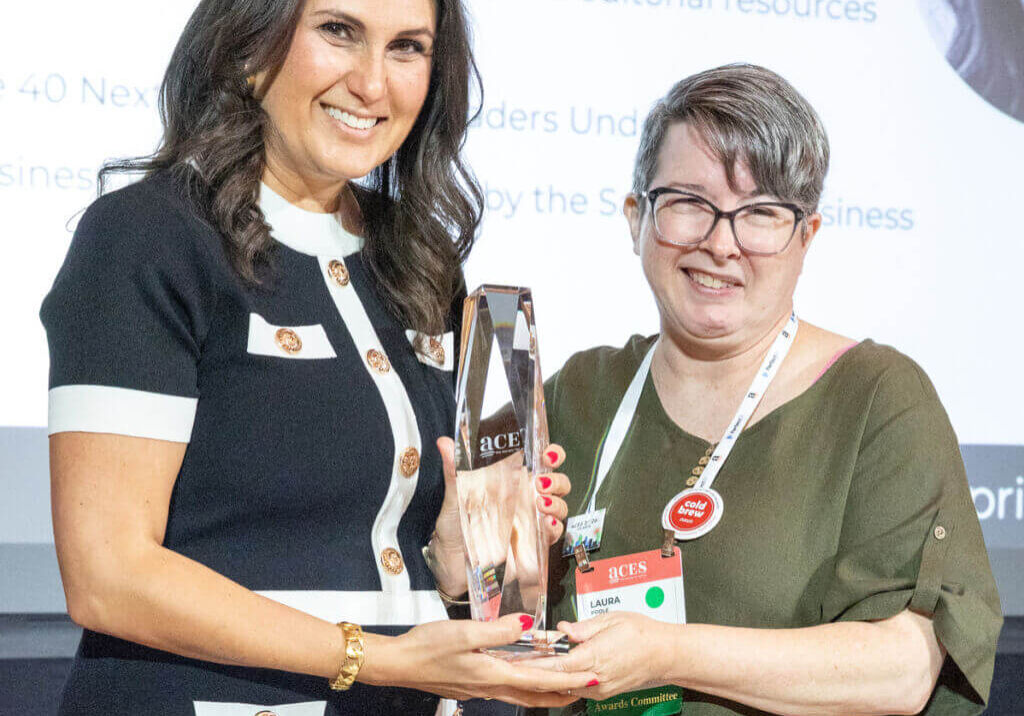
ACES: The Society for Editing has awarded its 2026 Robinson Prize to Nadia Geagea Pupa.

Read More

Gerri Berendzen named ACES’ 2026 Glamann Award winner

Apr 25, 2026

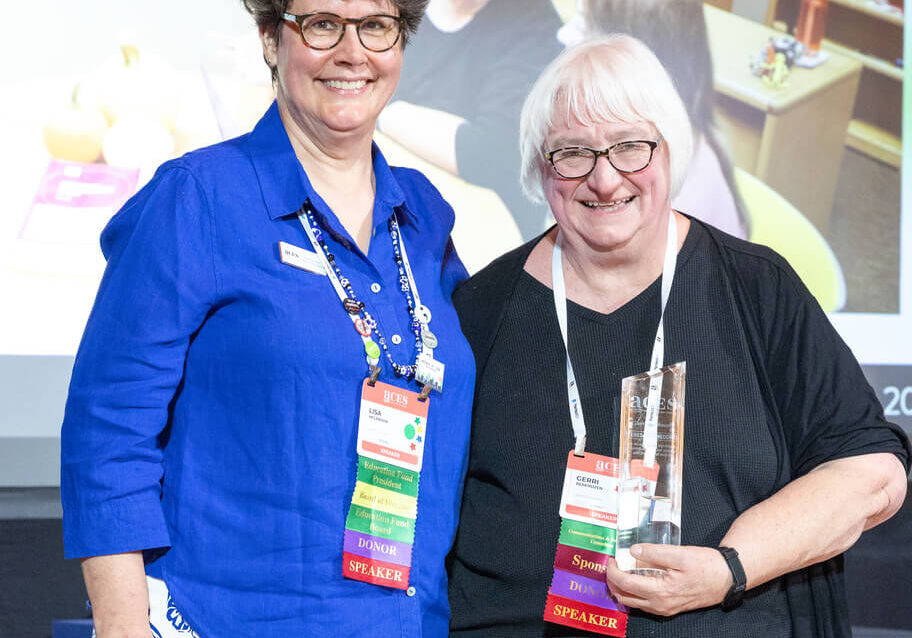
The Board of Directors of ACES has awarded its 2026 Glamann Award to former ACES Board member and longtime news editor and teacher Gerri Berendzen.

Read More
Scroll To Top