Skip to content

9 tips for editing the German airline crash

By Melissa McCoy

The news that a young German co-pilot appears to have intentionally crashed a Germanwings jet into the Alps, killing all aboard, presents copy editors with challenges. How can your publication convey the news without further sensationalizing an already sensational story?

When mental illness is a key part of the coverage, what can you keep in mind to ensure accuracy and fairness without adding to existing stigma?

1. Is it even relevant to the story?

In this case, the angle is clearly something that warrants coverage; however, too much is still unknown to determine exactly what happened and why. Don’t oversimplify the causes for the co-pilot’s actions

 2. Don’t feed speculation

Do not link circumstances prior to his actions as a reason for the crash. There is a lot of conjecture: possible physical health problems, a breakup with a girlfriend, grievances at work. Suicide is extremely complicated. The reason for the act may never be fully understood, and one incident alone did not cause it to happen.

3. Don’t sensationalize

Ensure that the story makes it clear murder-suicide is very rare; people who carry it out are usually dealing with a mental illness, but they are also usually exacting revenge because they feel hopeless or victimized in some way. Should it be proved out, this was a criminal act.

4. Keep the story in context

This is not typical behavior of someone with depression. Most people with depression, and there are millions in America, never harm themselves or others. The stigma associated with mental illness is real. Sensitive stories such as this one require careful handling.

5. Know your facts

About 90 percent of people who kill themselves have a mental health problem oftentimes have depression or schizophrenia. But there can be concurrent problems, such as another diagnosable psychological illness or substance abuse.

6. Keep the focus in the right place

Do not put much emphasis on the lack of a suicide note. Many people who kill themselves do not leave such notes.

7. Be careful with the tone

Psychological problems are medical problems, not a sign of weakness or lack of fortitude on the individual’s part.

8. Ask the experts

Push for mental health experts to weigh in on stories that appear in your publication or on your site.

9. Choose your friends wisely

Take extra care when linking to other sites that may not bring the requisite care and professionalism to their coverage.

For more information and resources for journalists and copy editors, including a supplemental style guide on mental health terminology, visit the Team Up website Reporting on Mental Health Styleguide.

Melissa McCoy is a visiting faculty member at the Poynter Institute for Media Studies and an independent media consultant and trainer. McCoy is the former deputy managing editor of the Los Angeles Times and a founding member and former vice president of ACES.


Readers respond more strongly to deeper editing, ACES study finds

Sep 15, 2026

Readers are more likely to notice and value editing when it improves how content is organized, understood, and experienced, according to a new study from ACES: The Society for Editing.

Read More

How to convince your boss to send you to an ACES conference

Aug 26, 2026

You know an ACES conference can leave you with new ideas, stronger skills, and fresh approaches to your work. But getting your boss to approve the investment may require showing how attending can benefit not only you but also your organization.

Read More

A new year for ACES: Reflections and what’s ahead

Jul 16, 2026

A new fiscal year is always a good moment to pause, look back at what we’ve built together, and look forward to what’s coming next. There’s a lot to say on both counts.

Read More

Words, people, and the privilege of serving ACES

Jul 16, 2026

I’ve told the story of my first ACES conference many, many times. Partially because it’s such a fond personal memory, but mostly because it shows how ACES brings editors together and helps them feel like they belong.

Read More

These are my people: Reflections on 30 years of ACES

Jul 8, 2026

ACES had been around for nine years when I first attended a national conference, in Cleveland. What I knew right away (and this has been said many times before) was that these are my people: people who care about the written word, people who care about getting it right for their readers, people who care about their craft and care about how their colleagues are contributing to the common goal of clarity.

Read More

Neil Holdway: A Legacy of Service to ACES

Apr 25, 2026

Neil Holdway has been part of the ACES Board for more than 20 years.

He joined in 2005 and served as treasurer, secretary, vice president, and treasurer of the ACES Education Fund. He was also the president of the ACES Board.

Read More

Nadia Geagea Pupa Wins the 2026 Robinson Prize, the Industry’s Highest Honor

Apr 25, 2026

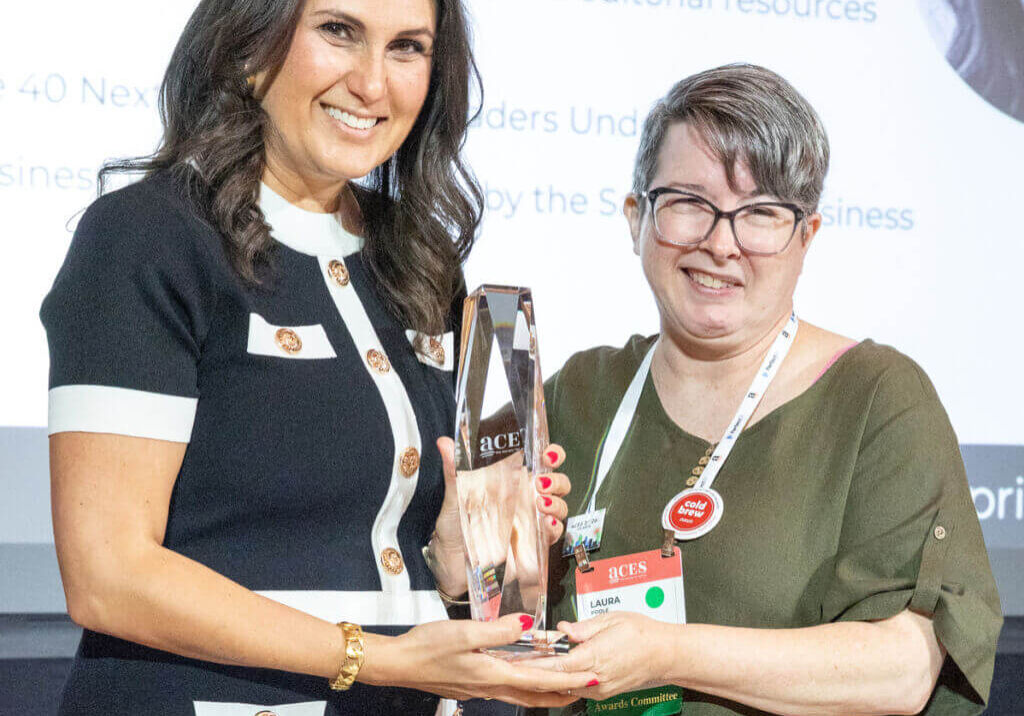
ACES: The Society for Editing has awarded its 2026 Robinson Prize to Nadia Geagea Pupa.

Read More

Gerri Berendzen named ACES’ 2026 Glamann Award winner

Apr 25, 2026

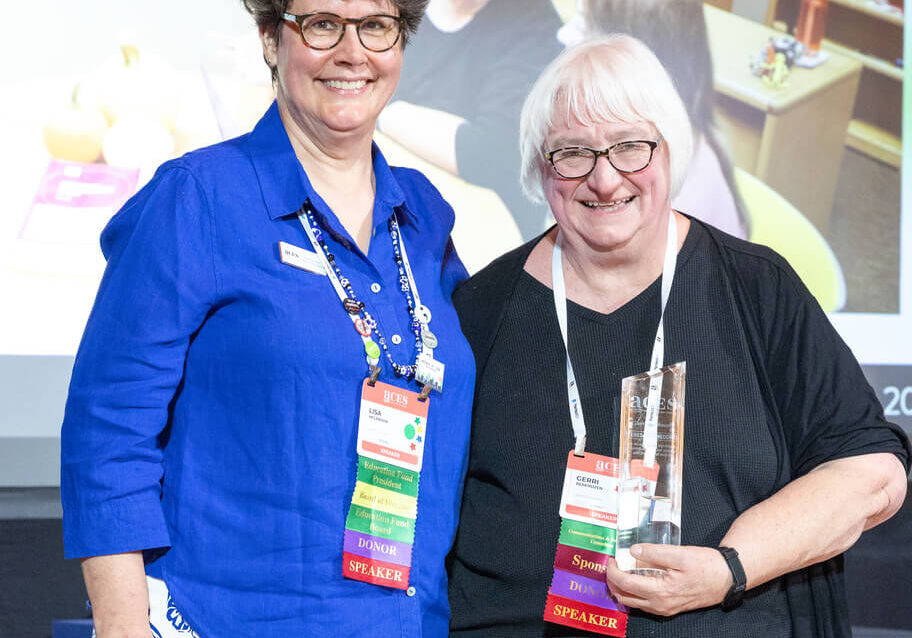
The Board of Directors of ACES has awarded its 2026 Glamann Award to former ACES Board member and longtime news editor and teacher Gerri Berendzen.

Read More

AP announces stylebook changes; “healthcare” tops list

Apr 24, 2026

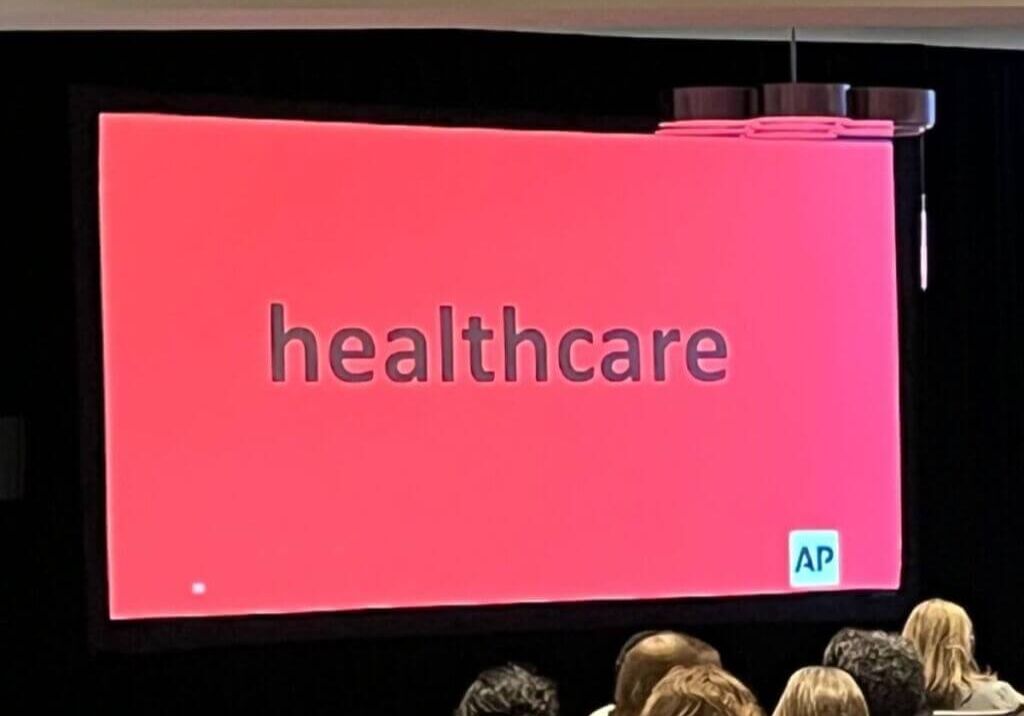
Big reveal at the ACES conference in Atlanta: AP Stylebook editor Bratton announced that “healthcare” will now be one word

Read More

2026 Bill Walsh Scholarship goes to two winners

Feb 9, 2026

By ACES Staff The ACES Education Fund has chosen two winners for the 2026 Bill Walsh Scholarship for excellence in the editing of news. Abbey Sobelman and Sheridan Wood are the tenth and eleventh recipients of the $3,500 award, named for the late Washington Post editor and author Bill Walsh, who also was a member…

Read More
Scroll To Top