Copy editors can easily improve accessibility of web copy
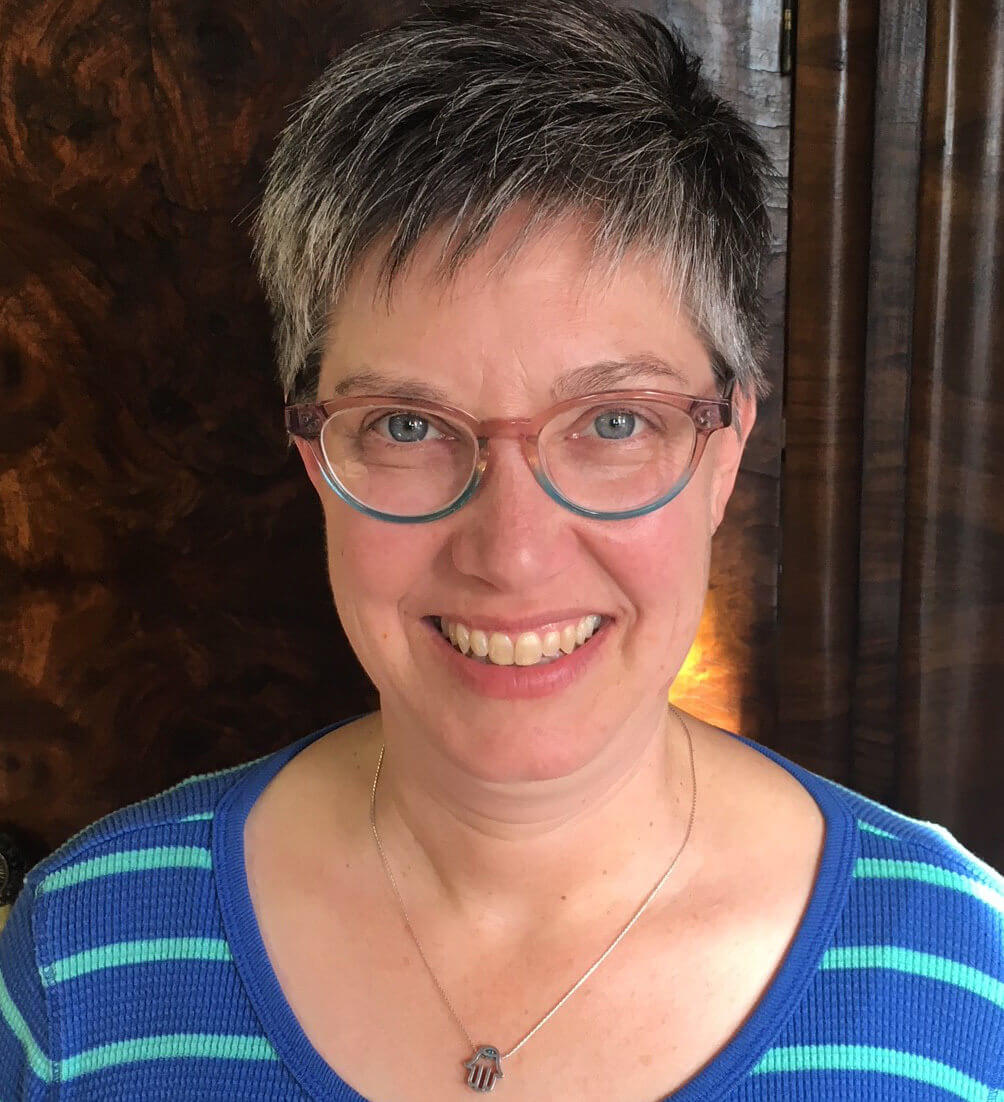
By Pam Hogle
As a copy editor, you wouldn’t dream of publishing content without fact-checking it or ensuring it conforms to your publication’s style. But what good is accurate, balanced content if a significant proportion of your audience cannot access it?
As many as one in five Americans lives with a disability; many more struggle with web-based content for a variety of reasons. The good news is that Microsoft Word, Adobe Acrobat, and most web-authoring tools include features that make creating accessible web content easy.
It’s more efficient to build these features in from the beginning than to try to go back and retrofit content when someone requests access — ask any online course developer whose university or company has faced complaints or lawsuits. Tighter federal rules on public-facing content could mean your company violates the Americans with Disabilities Act (ADA) every time it publishes an inaccessible article, photo or video.
Three simple practices that can put copy editors — and their organizations — on the path to more accessible content are described below, with links to articles that provide deeper detail:
- HTML Tagging: A well-structured, HTML-tagged document is easy for a screen-reader to navigate. The structure is obvious to the listener, often a person who has a visual impairment. Using templates, heading styles and body and list styles helps make the hierarchy of information clear. Keeping tables simple and using appropriate HTML tags allows those who use screen readers to understand relationships between content elements.
- Including alt text for images: Those who use screen readers because they cannot read text on a computer screen also need assistance to “see” visual elements, such as photos or graphics. Most authoring and social media tools include a field to enter “alt text” with each image. Alt text is a simple description that provides the information that a sighted audience member would get from an illustration. It’s not necessary to add alt text for graphics that are purely decorative. But when a chart or photo adds information to written content, visually impaired audience members need to know what they’d otherwise be missing.
- Creating usable links: A screen-reader encountering a “naked” URL link will simply read the URL aloud; that does not tell the user why that link might be helpful. The “anchor” text — the words that appear on the screen, usually with a blue underline — should tell the reader what the link does. Does it open a PDF? Trigger a JavaScript function? Lead the reader to a useful resource? Text such as “click here” is not helpful; anchor text such as “read chapter two” or “download the glossary” is more informative to all readers.
Adopting these practices as integral steps in editing web copy can make an enormous difference for members of the audience who have disabilities. An added bonus: Accessible content is actually easier for all audience members to use and understand. Many accessibility practices are simply good design and lead to clear, well-structured content.
Learn more about creating accessible content in my “Editing for Inclusion” session at the 2018 ACES conference, April 26-28 in Chicago. Hope to see you there!
Pam Hogle writes for The eLearning Guild’s Learning Solutions, an online publication on eLearning. She is also a freelance editor and eLearning content creator who has worked for Poynter’s NewsU and other clients. Her work on accessible content grew out of more than a decade’s work training service dogs and working with service dog teams. Pam holds master’s degrees in journalism and human-canine studies.
Header photo by Alice Donovan Rouse on Unsplash