Skip to content

The 3 essential elements of author queries

By Molly McCowan
Photo by Tony Hand on Unsplash

Working with an editor can be a daunting task for many writers, especially if it’s their first time having their work edited by a professional.

You can make the process less intimidating and earn the writer’s trust by letting them know that you’re a coach, not a judge, and that you’ll be working alongside them to make their writing the best it can be.

Your queries go a long way toward making or breaking this cooperative relationship. If the queries are vague and harshly worded, the author will see you as the enemy. If they’re helpful and kind, the author will see you as an ally.

Here are the three essential elements of author queries:

1. TONE

Every time you write a query, put yourself in the writer’s shoes. Is your question or comment clearly worded, thoughtful, and sensitive? Is it addressing the written work, or the person?

To make sure your tone remains helpful and focused on the work, not the writer, try taking out all instances of the words “I” and “you.”

Before: This is wrong; you’re using the idiom incorrectly. It’s also a cliché, which I would avoid.

After: This idiom is usually written as “kick the bucket,” but the alternative wording suggested here matches the thoughtful, serious tone of the paragraph and also avoids cliché.

2. SPECIFICITY

Avoid vague, one-word commands like “revise” or “rewrite.” If a paragraph or section needs a complete revision and you’d like to have the author handle it (rather than rewriting it yourself), make sure you’re being specific about what needs to change.

Before: Revise.

After: This paragraph jumps from Grumpy Cat’s kittenhood to her current health problems and then back to her kittenhood. Think about grouping the parts about her younger days together, and then transitioning into the present day. This will help readers understand the timeline and make more sense of Grumpy Cat’s story.

3. TACT

Temper your queries with compliments to lighten the mood and make the querying process feel less like a police interrogation and more like a conversation.

Before: Huh? I don’t have any idea what you’re trying to say here.

After: This section is a bit vaguely worded, whereas the paragraphs preceding it are very clear and concise. Here’s a suggestion for how to make this part more specific, which will help your audience understand your point.

I know what you’re thinking: “When I’m editing, I’m working as quickly as I can! I don’t have time to write thoughtfully crafted queries.” But writing tactful queries actually saves you time and effort, since your queries will build trust, reduce the number of follow-up questions you receive from the author, and lead the author to take your suggestions rather than becoming defensive or stubborn.


Header image by Lauren Mancke on Unsplash


This article was originally posted on the Copyediting website on February 21, 2017.

Well, now we’ve punned it. And described it. And headlined it.

Sep 28, 2026

ACES: The Society for Editing names the winners of its 2025-26 Headline Contest.

Read More

Six editors announced as recipients of the 2026 ACES Holden Diversity Fellowship

Sep 23, 2026

September 22, 2026 · By ACES Staff · ACES News Six talented editors have been selected as the seventh class of recipients of the Richard S. Holden Diversity Fellowship, a collaboration of ACES: The Society for Editing and the Dow Jones News Fund. This year’s fellows are Afia Agyapomaa Ofosu, Inez Woody, Jasmine Stole, Stephanie…

Read More

Readers respond more strongly to deeper editing, ACES study finds

Sep 15, 2026

Readers are more likely to notice and value editing when it improves how content is organized, understood, and experienced, according to a new study from ACES: The Society for Editing.

Read More

How to convince your boss to send you to an ACES conference

Aug 26, 2026

You know an ACES conference can leave you with new ideas, stronger skills, and fresh approaches to your work. But getting your boss to approve the investment may require showing how attending can benefit not only you but also your organization.

Read More

A new year for ACES: Reflections and what’s ahead

Jul 16, 2026

A new fiscal year is always a good moment to pause, look back at what we’ve built together, and look forward to what’s coming next. There’s a lot to say on both counts.

Read More

Words, people, and the privilege of serving ACES

Jul 16, 2026

I’ve told the story of my first ACES conference many, many times. Partially because it’s such a fond personal memory, but mostly because it shows how ACES brings editors together and helps them feel like they belong.

Read More

These are my people: Reflections on 30 years of ACES

Jul 8, 2026

ACES had been around for nine years when I first attended a national conference, in Cleveland. What I knew right away (and this has been said many times before) was that these are my people: people who care about the written word, people who care about getting it right for their readers, people who care about their craft and care about how their colleagues are contributing to the common goal of clarity.

Read More

Neil Holdway: A Legacy of Service to ACES

Apr 25, 2026

Neil Holdway has been part of the ACES Board for more than 20 years.

He joined in 2005 and served as treasurer, secretary, vice president, and treasurer of the ACES Education Fund. He was also the president of the ACES Board.

Read More

Nadia Geagea Pupa Wins the 2026 Robinson Prize, the Industry’s Highest Honor

Apr 25, 2026

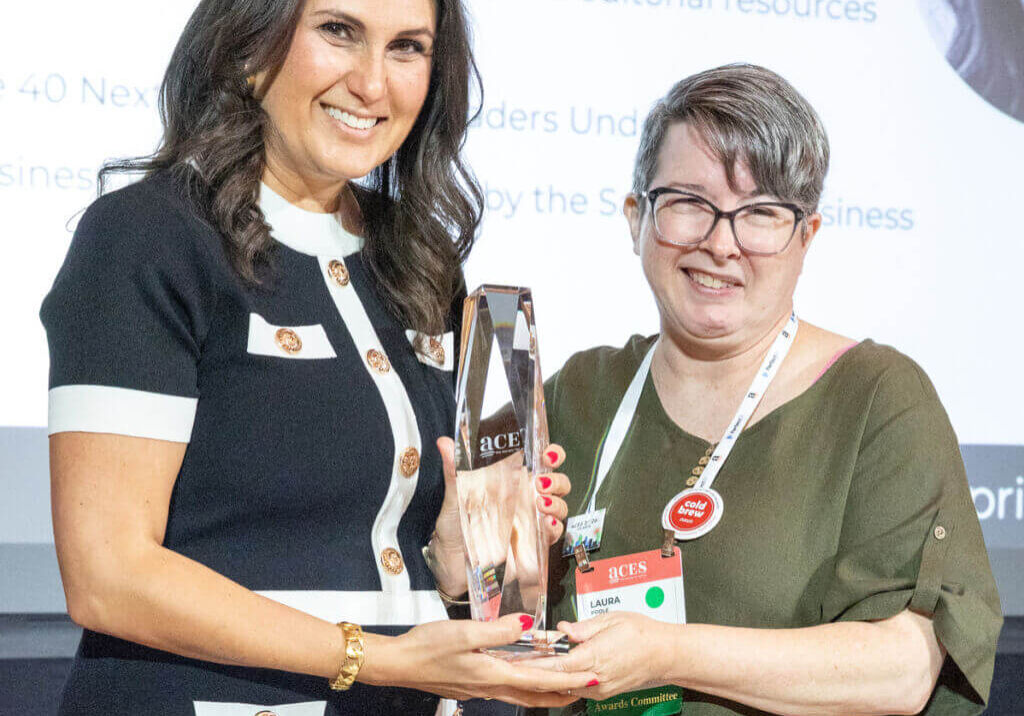
ACES: The Society for Editing has awarded its 2026 Robinson Prize to Nadia Geagea Pupa.

Read More

Gerri Berendzen named ACES’ 2026 Glamann Award winner

Apr 25, 2026

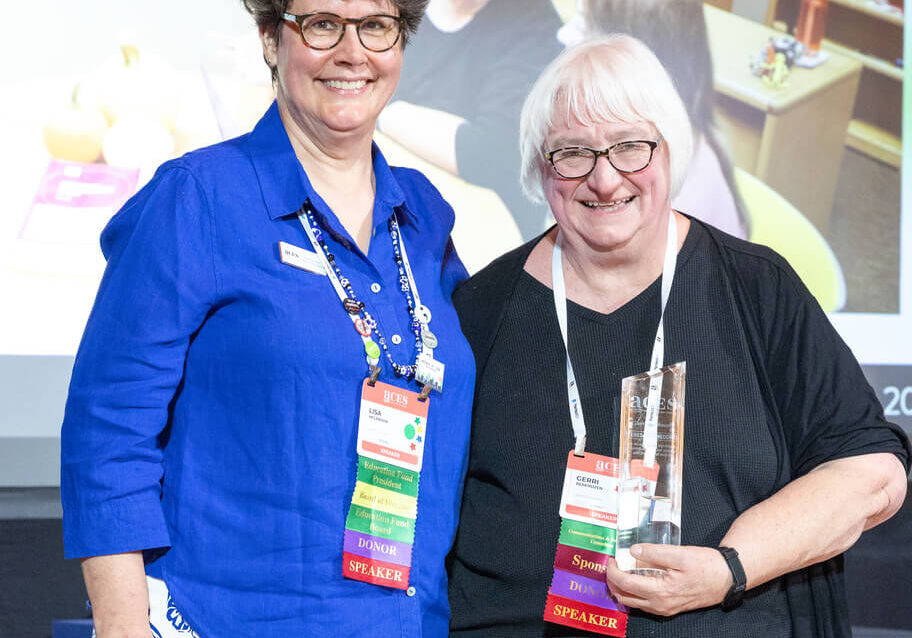
The Board of Directors of ACES has awarded its 2026 Glamann Award to former ACES Board member and longtime news editor and teacher Gerri Berendzen.

Read More
Scroll To Top