Skip to content

Four tips for handling bad writing

By Wanjiku Migichi

Imagine being asked to edit a manuscript that is so poorly written that you know it shouldn’t proceed to the editorial level. Maybe the manuscript is poorly organized, or maybe the writing would demand painstakingly substantial revisions. What do you do as an editor? Here are a few tips on how to handle the conversation with the author.

Find a suitable entry point for the meeting.

Before scheduling to meet with an author, prepare concrete examples of what you’re concerned about in their manuscript. During the meeting, start by commending the writer for the work they have put in. It may not be very good, but the reality is that they spent time on it. Then find a cordial entry point to begin discussing the manuscript. That could be something like, “I am glad you found time to meet with me. I look forward to discussing how we can work together to enrich your manuscript.”

Focus your feedback on the work, not the person.

Ensure that the session does not become an “attack-defend” kind of talk. This comes about when comments seem to be directed at the person and not their manuscript.

It is a fine line between targeting the work and criticizing the author.

Critiquing the work allows an author to detach themselves from their manuscript. It also allows them to participate in the discussion objectively. Offer comments like, “The manuscript requires improvement in the writing style and grammar” or “The work needs a clearer central theme” or “Elaborate on these points.”

Propose suitable options.

One common solution is for the author to hire a ghostwriter or ghost editor to help them write the book. Another is to guide the author to rewrite the entire manuscript. Rewriting can mean expunging text, adding more chapters, or further developing existing sections. It can also call for a reordering of ideas.

Know when to let go.

Despite providing these and other options, the author may not be comfortable with any of them. Should this be the case, part ways agreeably and end the contract formally.

Four Tips for Handling Bad Writing was originally published in Tracking Changes (Spring 2020 edition). Members receive a PDF of the quarterly Tracking Changes newsletter by email.
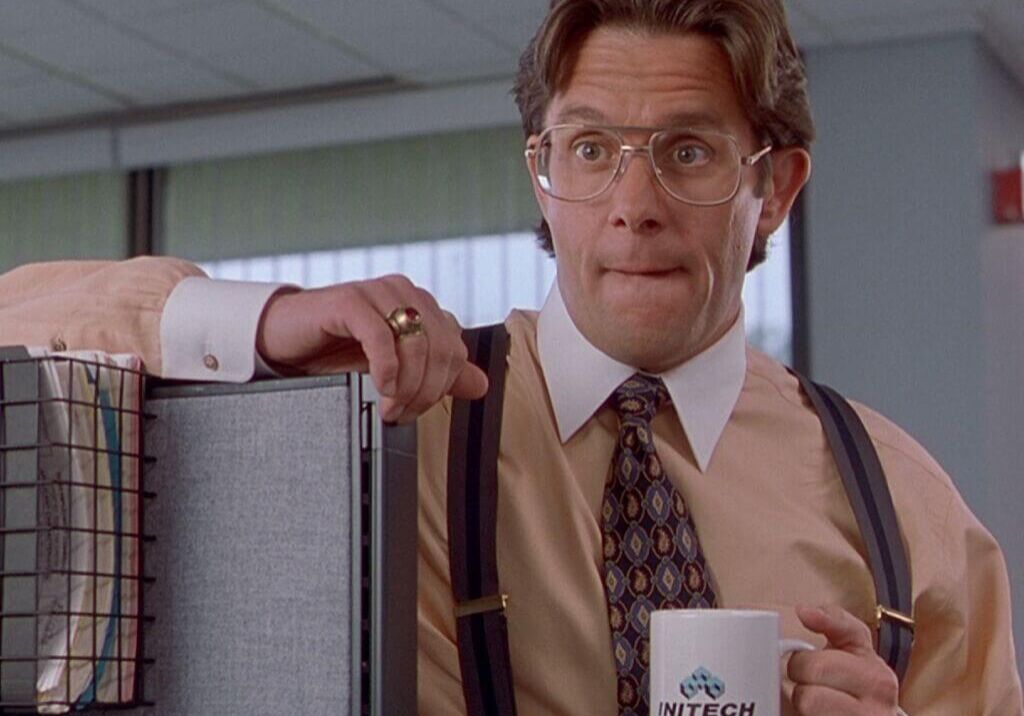

Header photo by David Travis on Unsplash

Readers respond more strongly to deeper editing, ACES study finds

Sep 15, 2026

Readers are more likely to notice and value editing when it improves how content is organized, understood, and experienced, according to a new study from ACES: The Society for Editing.

Read More

How to convince your boss to send you to an ACES conference

Aug 26, 2026

You know an ACES conference can leave you with new ideas, stronger skills, and fresh approaches to your work. But getting your boss to approve the investment may require showing how attending can benefit not only you but also your organization.

Read More

A new year for ACES: Reflections and what’s ahead

Jul 16, 2026

A new fiscal year is always a good moment to pause, look back at what we’ve built together, and look forward to what’s coming next. There’s a lot to say on both counts.

Read More

Words, people, and the privilege of serving ACES

Jul 16, 2026

I’ve told the story of my first ACES conference many, many times. Partially because it’s such a fond personal memory, but mostly because it shows how ACES brings editors together and helps them feel like they belong.

Read More

These are my people: Reflections on 30 years of ACES

Jul 8, 2026

ACES had been around for nine years when I first attended a national conference, in Cleveland. What I knew right away (and this has been said many times before) was that these are my people: people who care about the written word, people who care about getting it right for their readers, people who care about their craft and care about how their colleagues are contributing to the common goal of clarity.

Read More

Neil Holdway: A Legacy of Service to ACES

Apr 25, 2026

Neil Holdway has been part of the ACES Board for more than 20 years.

He joined in 2005 and served as treasurer, secretary, vice president, and treasurer of the ACES Education Fund. He was also the president of the ACES Board.

Read More

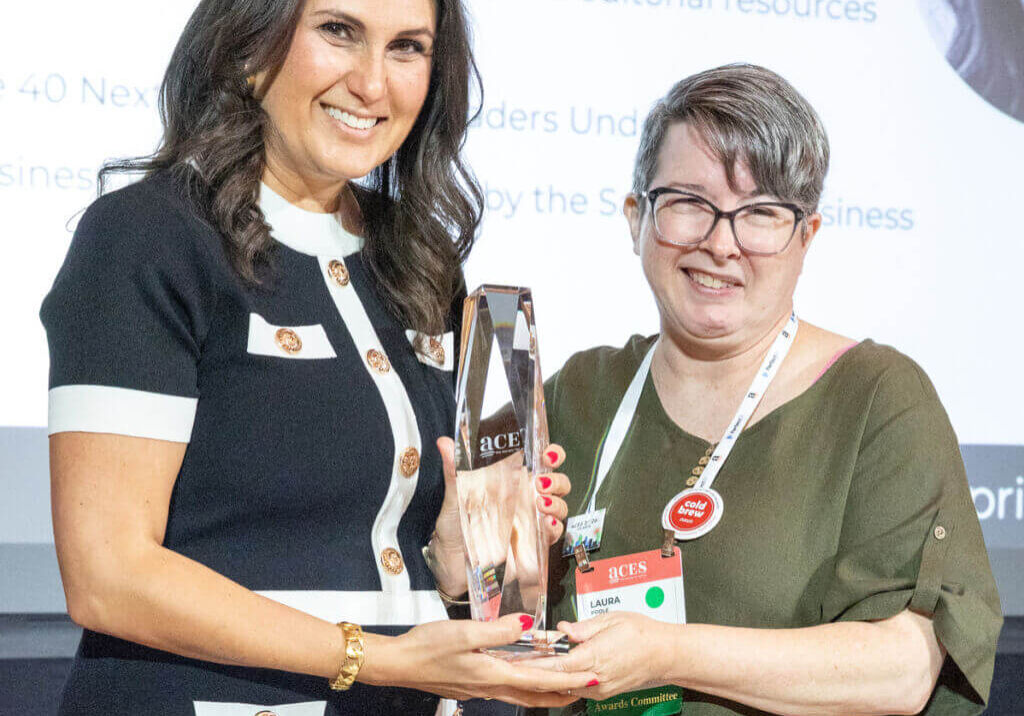
Nadia Geagea Pupa Wins the 2026 Robinson Prize, the Industry’s Highest Honor

Apr 25, 2026

ACES: The Society for Editing has awarded its 2026 Robinson Prize to Nadia Geagea Pupa.

Read More

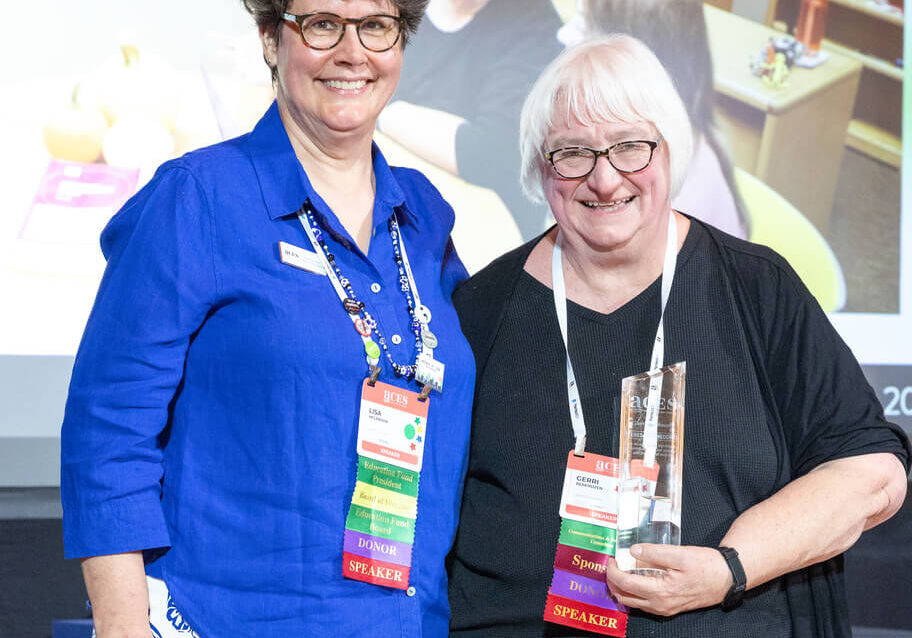
Gerri Berendzen named ACES’ 2026 Glamann Award winner

Apr 25, 2026

The Board of Directors of ACES has awarded its 2026 Glamann Award to former ACES Board member and longtime news editor and teacher Gerri Berendzen.

Read More

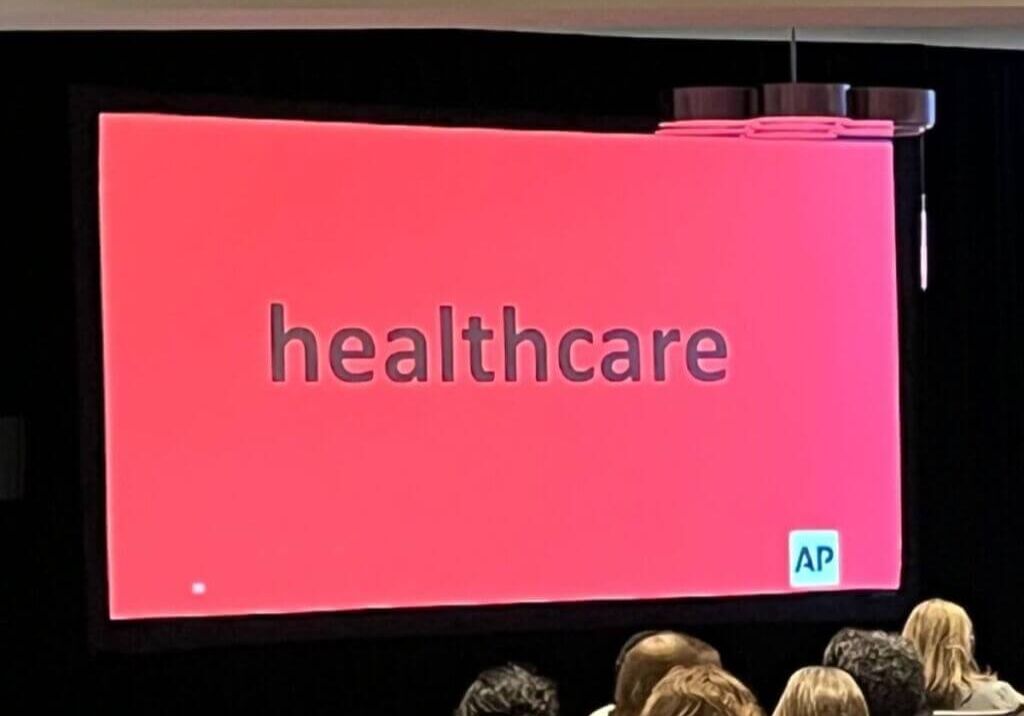
AP announces stylebook changes; “healthcare” tops list

Apr 24, 2026

Big reveal at the ACES conference in Atlanta: AP Stylebook editor Bratton announced that “healthcare” will now be one word

Read More

2026 Bill Walsh Scholarship goes to two winners

Feb 9, 2026

By ACES Staff The ACES Education Fund has chosen two winners for the 2026 Bill Walsh Scholarship for excellence in the editing of news. Abbey Sobelman and Sheridan Wood are the tenth and eleventh recipients of the $3,500 award, named for the late Washington Post editor and author Bill Walsh, who also was a member…

Read More
Scroll To Top