Skip to content

What’s in a name?

By Andy Bechtel

A new government recently took power in Carrboro, North Carolina—at least in name. The town, which is home to about 20,000 people, is now ruled by a Town Council instead of a Board of Aldermen.

The Carrboro council is typical of local governments in North Carolina, consisting of six members and  the mayor.

For the past 50 years, this group was known as the Board of Aldermen. Today, five of those seven people are women, which made the -men element of the name awkward.

That’s because alderman has its origins in Old English, meaning an “elder or wise man.” Its earliest use dates to before the 12th century, according to Merriam-Webster.

“Some of us who’ve been sitting on this board have really felt the pinch of being referred to as aldermen,” board member Randee Haven-O’Donnell said, as reported by the News & Observer in Raleigh. “I’m saying that because folks don’t realize that the gender neutral matters.”

Carrboro’s move from Board of Aldermen to Town Council has gone over well with the town’s residents.

“We have not heard any negative feedback about our name change,” said Mayor Lydia Lavelle. “In fact, I have heard positive comments from folks that this will make it more clear for people to understand what we do now, and I agree.”

The change in the board’s name reflects a trend nationally to include more inclusive word choices.

For example, council members in Berkeley, California, voted in 2019 to revise the city code to make its language gender neutral.

It’s also an issue on the minds of editors, including those who work with writing about government and policy.

The AP Stylebook has numerous entries about word choice and gender. For example, it suggests firefighter over fireman. It recommends representative over congressman for members of the U.S. House.

AP style allows chairperson or chair if that’s what an organization says it prefers. It shuns divorcee.

Until recently, AP style was okay with man and mankind when both men and women are involved and “no other term is convenient.”

Perhaps for future editions, the stylebook’s editors could group these scattered entries into one larger one as they have with umbrella entries on gender identity and race-related terms. That would make those guidelines easier to find and apply, and it would send a message that this type of editing is essential.

Such a change, like the one in Carrboro, would be a wise move.

What’s in a Name? was originally published in Tracking Changes (Spring 2020 edition). Members receive a PDF of the quarterly Tracking Changes newsletter by email.

Header photo by Jon Tyson on Unsplash

How to convince your boss to send you to an ACES conference

Aug 26, 2026

You know an ACES conference can leave you with new ideas, stronger skills, and fresh approaches to your work. But getting your boss to approve the investment may require showing how attending can benefit not only you but also your organization.

Read More

A new year for ACES: Reflections and what’s ahead

Jul 16, 2026

A new fiscal year is always a good moment to pause, look back at what we’ve built together, and look forward to what’s coming next. There’s a lot to say on both counts.

Read More

Words, people, and the privilege of serving ACES

Jul 16, 2026

I’ve told the story of my first ACES conference many, many times. Partially because it’s such a fond personal memory, but mostly because it shows how ACES brings editors together and helps them feel like they belong.

Read More

These are my people: Reflections on 30 years of ACES

Jul 8, 2026

ACES had been around for nine years when I first attended a national conference, in Cleveland. What I knew right away (and this has been said many times before) was that these are my people: people who care about the written word, people who care about getting it right for their readers, people who care about their craft and care about how their colleagues are contributing to the common goal of clarity.

Read More

Neil Holdway: A Legacy of Service to ACES

Apr 25, 2026

Neil Holdway has been part of the ACES Board for more than 20 years.

He joined in 2005 and served as treasurer, secretary, vice president, and treasurer of the ACES Education Fund. He was also the president of the ACES Board.

Read More

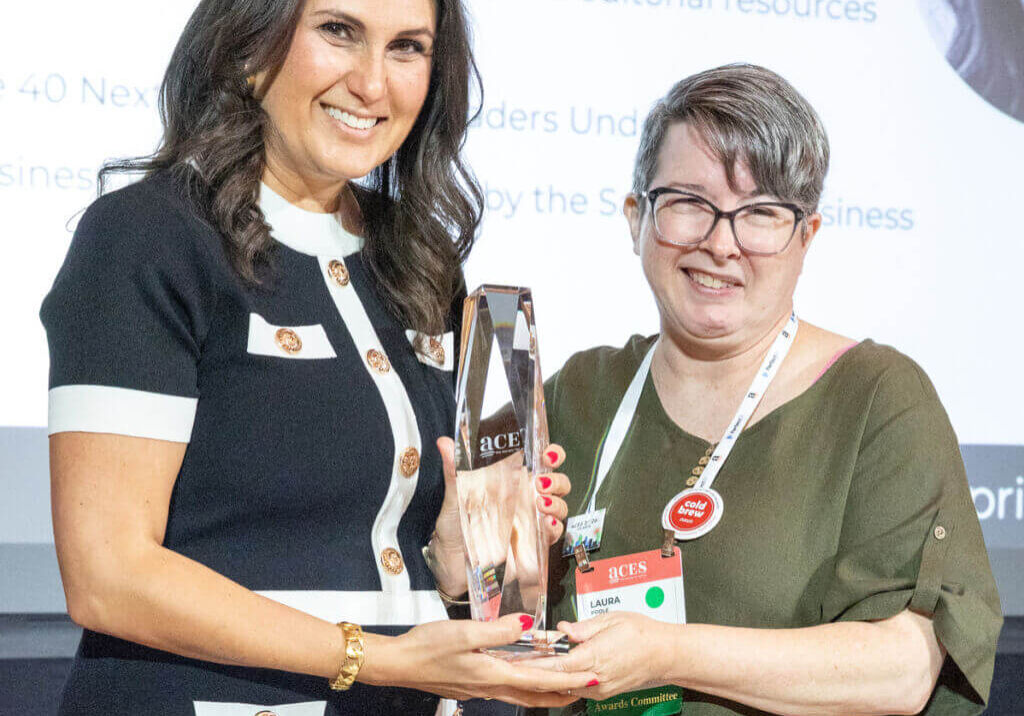
Nadia Geagea Pupa Wins the 2026 Robinson Prize, the Industry’s Highest Honor

Apr 25, 2026

ACES: The Society for Editing has awarded its 2026 Robinson Prize to Nadia Geagea Pupa.

Read More

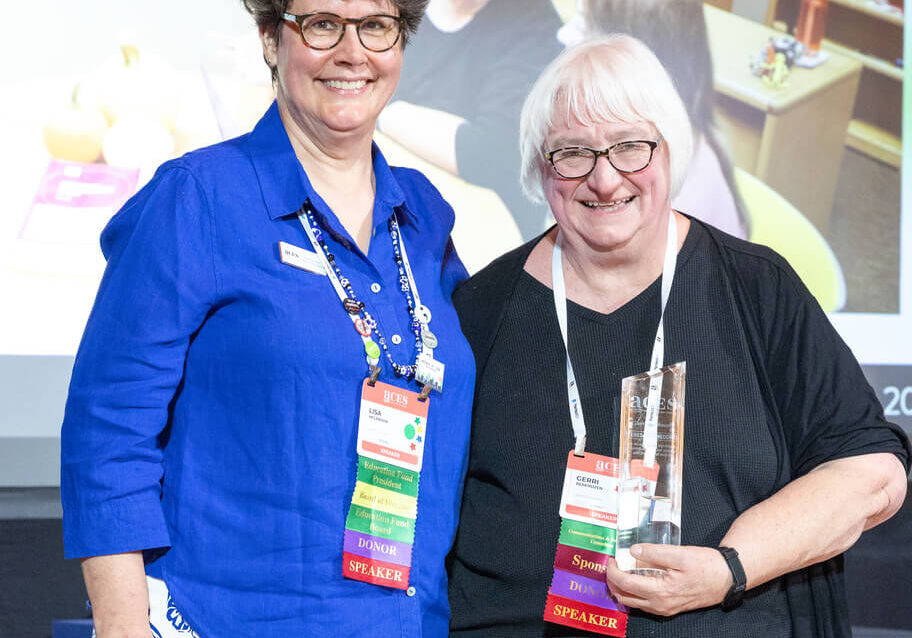
Gerri Berendzen named ACES’ 2026 Glamann Award winner

Apr 25, 2026

The Board of Directors of ACES has awarded its 2026 Glamann Award to former ACES Board member and longtime news editor and teacher Gerri Berendzen.

Read More

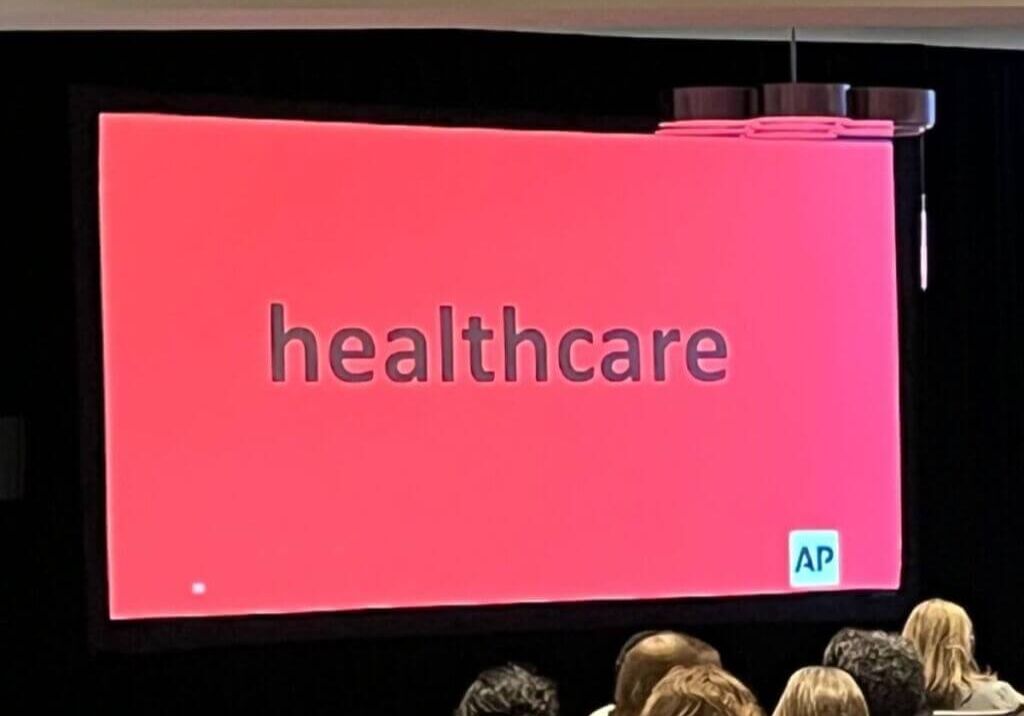
AP announces stylebook changes; “healthcare” tops list

Apr 24, 2026

Big reveal at the ACES conference in Atlanta: AP Stylebook editor Bratton announced that “healthcare” will now be one word

Read More

2026 Bill Walsh Scholarship goes to two winners

Feb 9, 2026

By ACES Staff The ACES Education Fund has chosen two winners for the 2026 Bill Walsh Scholarship for excellence in the editing of news. Abbey Sobelman and Sheridan Wood are the tenth and eleventh recipients of the $3,500 award, named for the late Washington Post editor and author Bill Walsh, who also was a member…

Read More

2025-2026 ACES scholarship and Aubespin winners

Feb 9, 2026

By ACES Staff Two students from The George Washington University’s Master of Professional Studies in publishing program are among the five winners of 2025-2026 ACES scholarships by the ACES Education Fund, including this year’s Aubespin Scholar. The recipients will receive a total of $8,500 in scholarships. The scholarships are given to students who excel in…

Read More
Scroll To Top