ACES 2021 Online session: How to ensure a welcoming lexicon and inclusive storytelling
By Victoria Hicks
On day two of ACES 2021 Online, Lauren Appelbaum and Tatiana Lee discussed inclusive lexicons. For those who missed this session (or attended and would like to see it again), this is the video they played to kick off their session.
Inclusive Philanthropy Full Video from RespectAbility on Vimeo.
The session, “How to Ensure A Welcoming Lexicon and Inclusive Storytelling,” focused on appropriate terms to reference those with disabilities and well-meaning phrases that are often harmful to those with disabilities. This article recaps the session’s highlights and provides speaker-recommended resources.
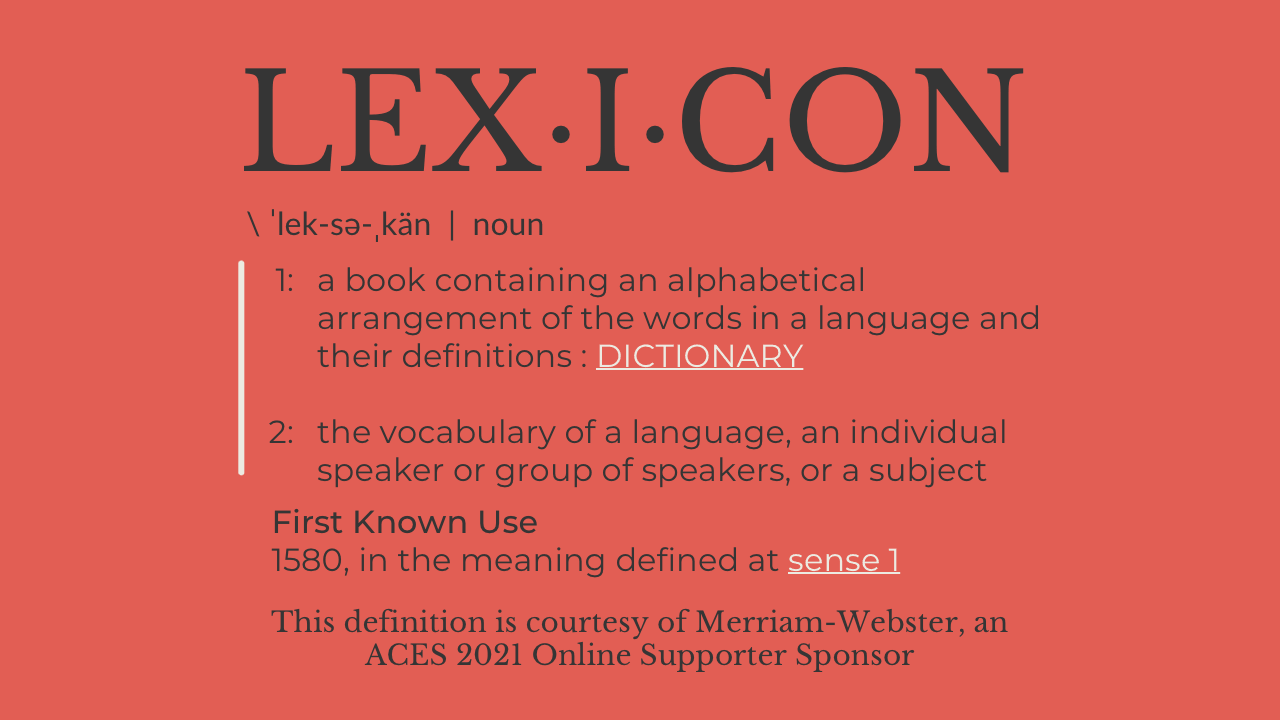
Below is a short lexicon to improve your lexicon (as defined by Merriam-Webster).
Disability – impaired function or ability
While there is a more robust definition for disability, this condensed version illustrates that sometimes less is enough. Efforts to compose comprehensive lists are futile if they ultimately exclude some of the people meant to benefit from said list.
Dismantling the stigma associated with the word disability makes identifying and eliminating euphemisms, passive victim words, and other ableist language much easier.
“So I said ‘disability’ a lot. And that’s really, really important because disability is not a bad word. Some people try to not say the word, but I suggest saying the word,” said Appelbaum.
Inspiration porn – communication messages that objectify one group of people (usually people with disabilities) for the instant gratification of another group of people (typically non-disabled people).
This is an informal term first coined in 2014 by disability advocate and ABC Ramp Up website editor Stella Young. She explains the concept in detail here.
“Inspiration porn is the idea that a person is inspirational solely for having a disability,” said Lee.
Requirement – something required: stipulated as necessary to be done, made, or provided
This term is included to remind everyone of the absoluteness it carries. Lee made several great points about the implications of common words and phrases, one of which being “requirement.”
In job descriptions, the education or skill requirements often include, at minimum, a bachelor’s degree. However, such strict expectations serve as barriers to entry for the 55% of young adults with disabilities—and 93% of those born with disabilities—who do not graduate from college. Employers seeking a more diverse workforce should consider alternatives in order to be more inclusive to folks with disabilities.
Secondly, writers and editors need to remember only one principle when discerning the appropriateness of mentioning a person’s disability: requirement. If mentioning someone’s disability is not required for comprehension or context, remove it. If the story is not newsworthy without reference to a disability, the story just isn’t newsworthy.
These three words are not, in any way, an exhaustive list of terms and phrases that must remain in the head of every editor. In fact, Lee and Appelbaum recommend a couple of resources to which people can continually refer.
- The Disability Language Style Guide: https://ncdj.org/style-guide/
- The Hollywood Disability Inclusion Toolkit: https://www.respectability.org…
Registered conference attendees can click here to see this session through July 31, 2021