Skip to content

Fact-checking medical texts

By Kassel Pierre-Jean

There’s a lot of talk about fact-checking in the media. As medical editors, we perform fact-checking too, but it looks slightly different.

When fact-checking medical manuscripts, an editor’s job is to ensure that claims are accurate and citations are present and correct.

An editor begins by reading the manuscript and ensuring each claim is properly referenced. PolitiFact has a good breakdown of determining what qualifies as a claim:

  • Is the statement rooted in a fact that is verifiable?
  • Is the statement leaving a particular impression that may be misleading?
  • Is the statement significant?
  • Would a typical person hear or read the statement and wonder: Is that true?

Statements that meet the criteria above should be supported by a reference, such as a peer-reviewed journal article, a professional medical textbook, information from a reputable website, or an article from a government agency (e.g., the CDC, the FDA).

Some claims cannot be supported:

PRODUCT X is the best drug on the market!

While other claims can be referenced with an in-line citation:

At least 50% of patients with major depressive disorder have a partial response to antidepressant medications. [Rush_AmJPsychiatry_2006/p1914/c2/para1/lines1-4]

Overall, editors will need to use their best judgment to determine what qualifies as a claim.

Medical manuscripts can have in-line citations, provided by the writer, that point out exactly where the support can be found. An in-line citation (as shown in the example above) may include a shortened version of any of the following:

  • Author name(s)
  • Title name
  • Journal or book with year
  • Site name and URL if needed
  • Page number(s)
  • Section number(s)
  • Paragraph number(s)
  • Line number(s)
  • Table or Figure number(s)

If the editor finds that the writer meant paragraph 3 instead of paragraph 1, that’s an easy fix. However, if a claim mentioning disease severity cites a reference discussing a drug’s mechanism of action, it is flagged as an improper citation and kicked back to the writer for correction. It is not the editor’s job to find supporting references; the editor reviews the citations to ensure claims are properly supported.

While fact-checking medical manuscripts requires some nuanced judgment, basic fact-checking skills still apply. It’s a transferable skill—it just takes some practice to get comfortable doing it.

Fact-checking medical texts was originally published in Tracking Changes (Summer 2021 edition). Members receive a PDF of the quarterly Tracking Changes newsletter by email.

Header image by Agence Olloweb on Unsplash

How to convince your boss to send you to an ACES conference

Aug 26, 2026

You know an ACES conference can leave you with new ideas, stronger skills, and fresh approaches to your work. But getting your boss to approve the investment may require showing how attending can benefit not only you but also your organization.

Read More

A new year for ACES: Reflections and what’s ahead

Jul 16, 2026

A new fiscal year is always a good moment to pause, look back at what we’ve built together, and look forward to what’s coming next. There’s a lot to say on both counts.

Read More

Words, people, and the privilege of serving ACES

Jul 16, 2026

I’ve told the story of my first ACES conference many, many times. Partially because it’s such a fond personal memory, but mostly because it shows how ACES brings editors together and helps them feel like they belong.

Read More

These are my people: Reflections on 30 years of ACES

Jul 8, 2026

ACES had been around for nine years when I first attended a national conference, in Cleveland. What I knew right away (and this has been said many times before) was that these are my people: people who care about the written word, people who care about getting it right for their readers, people who care about their craft and care about how their colleagues are contributing to the common goal of clarity.

Read More

Neil Holdway: A Legacy of Service to ACES

Apr 25, 2026

Neil Holdway has been part of the ACES Board for more than 20 years.

He joined in 2005 and served as treasurer, secretary, vice president, and treasurer of the ACES Education Fund. He was also the president of the ACES Board.

Read More

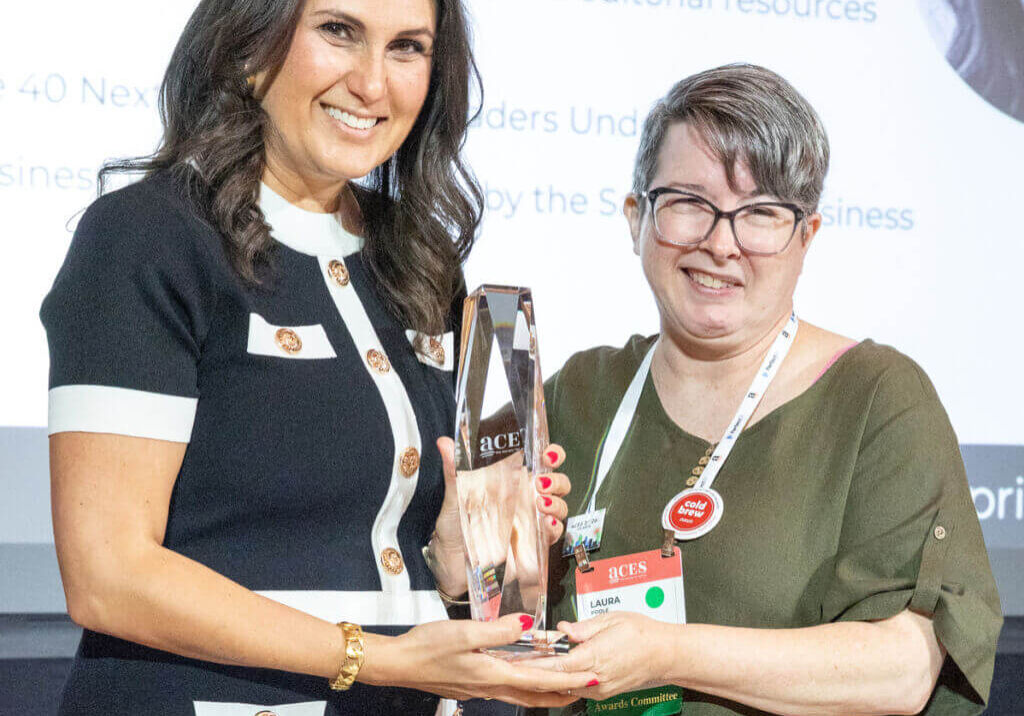
Nadia Geagea Pupa Wins the 2026 Robinson Prize, the Industry’s Highest Honor

Apr 25, 2026

ACES: The Society for Editing has awarded its 2026 Robinson Prize to Nadia Geagea Pupa.

Read More

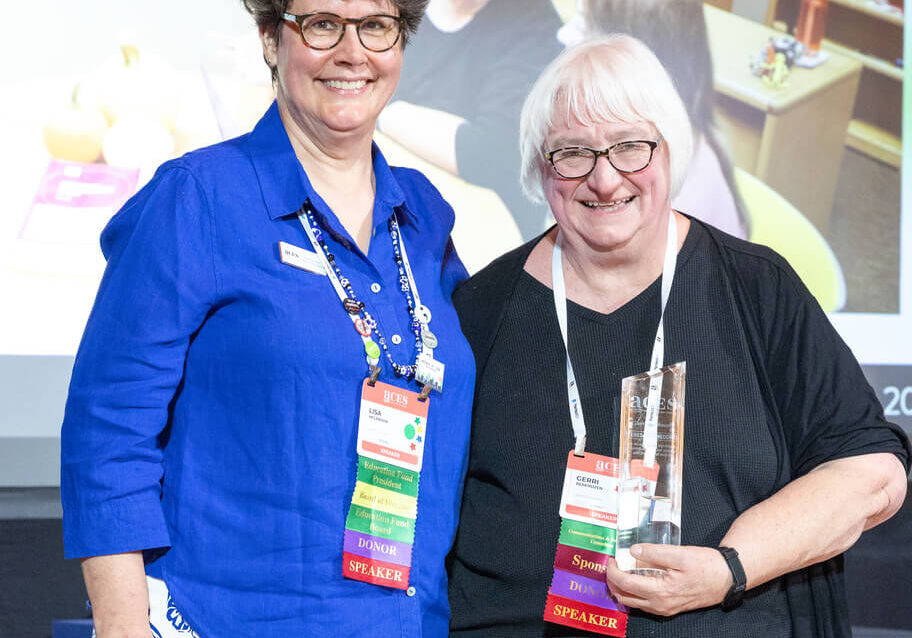
Gerri Berendzen named ACES’ 2026 Glamann Award winner

Apr 25, 2026

The Board of Directors of ACES has awarded its 2026 Glamann Award to former ACES Board member and longtime news editor and teacher Gerri Berendzen.

Read More

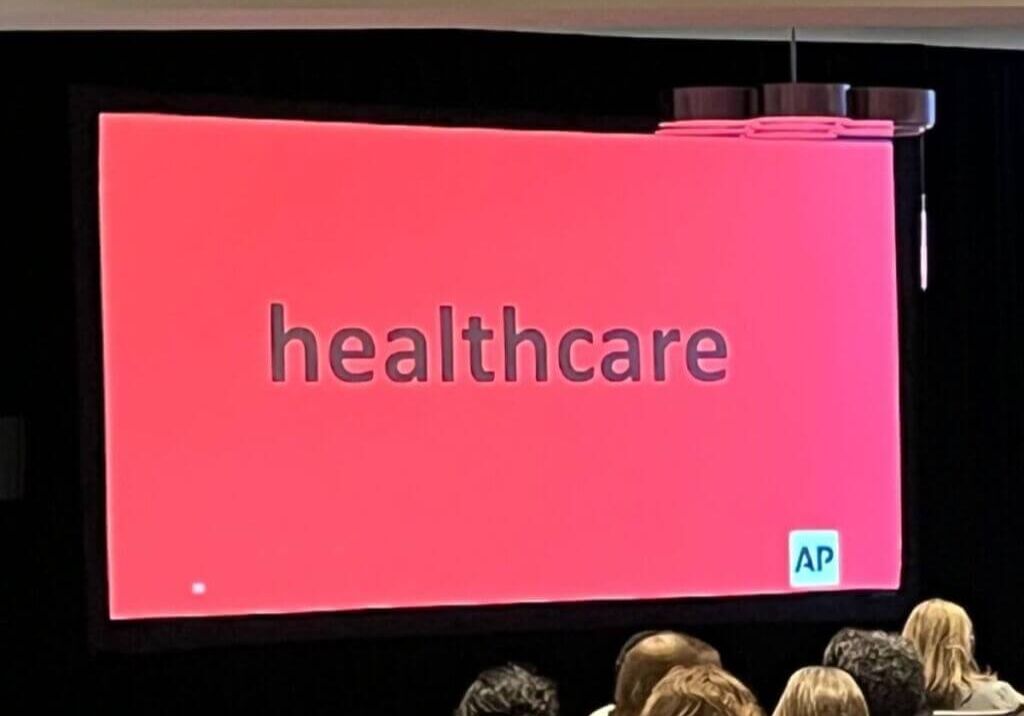
AP announces stylebook changes; “healthcare” tops list

Apr 24, 2026

Big reveal at the ACES conference in Atlanta: AP Stylebook editor Bratton announced that “healthcare” will now be one word

Read More

2026 Bill Walsh Scholarship goes to two winners

Feb 9, 2026

By ACES Staff The ACES Education Fund has chosen two winners for the 2026 Bill Walsh Scholarship for excellence in the editing of news. Abbey Sobelman and Sheridan Wood are the tenth and eleventh recipients of the $3,500 award, named for the late Washington Post editor and author Bill Walsh, who also was a member…

Read More

2025-2026 ACES scholarship and Aubespin winners

Feb 9, 2026

By ACES Staff Two students from The George Washington University’s Master of Professional Studies in publishing program are among the five winners of 2025-2026 ACES scholarships by the ACES Education Fund, including this year’s Aubespin Scholar. The recipients will receive a total of $8,500 in scholarships. The scholarships are given to students who excel in…

Read More
Scroll To Top