Skip to content

Stop writing sorry emails

By Adrienne Montgomerie

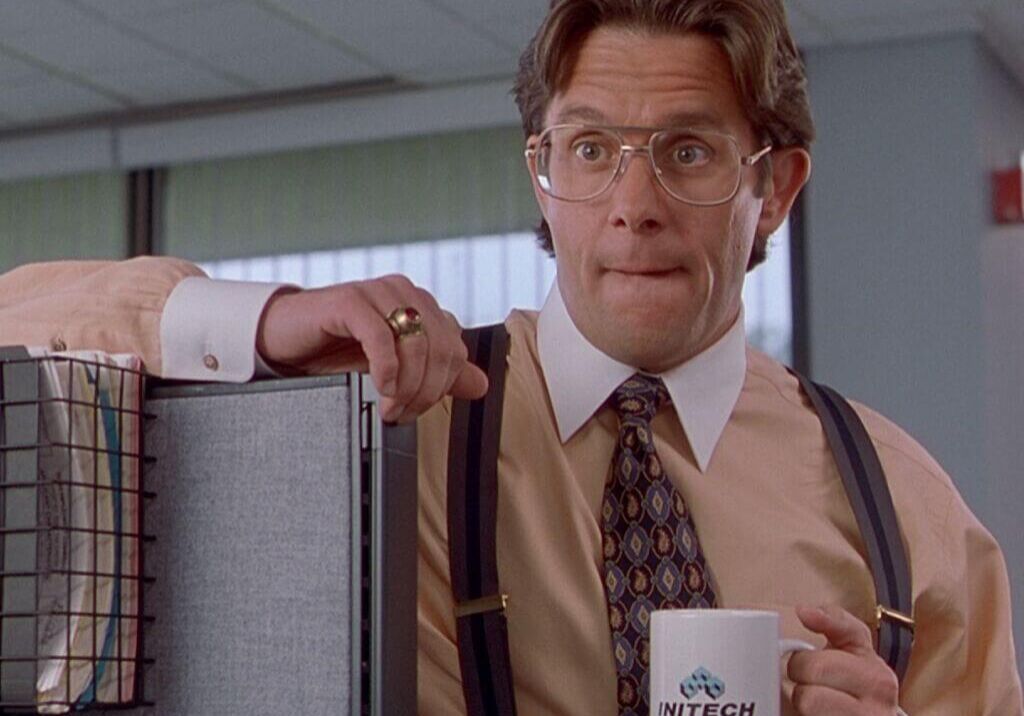
Photo by Parker Byrd on Unsplash

As an editor, you are a knowledgeable professional. You work with knowledgeable professionals too; experts even. They are writers who deserve deference and respect. But that deference can sound like lack of confidence when editors communicate.

As a managing editor, or copyeditor having to impose house style, or proofreader trying to save the team from embarrassment, there are times when it’s important to use strong language. Choose strong words and edit out the timidity that was intended to sound respectful.

Consider the difference between “it would be greatly appreciated if you could get the revised file in by eod” versus “the revised file is needed by eod so that we can publish on schedule.” One asserts that the request is necessary, rather than only desirable. In business (and publishing is business), being assertive is acceptable; necessary, even.

THE SORRY WORDS

Editors already know that passive voice weakens writing. Business writers at the likes of Forbes and Business Insider have identified five words that weaken messages. These words are

  • just
  • sorry
  • feel
  • think
  • believe

SAMPLE ALTERNATIVES

Weaker Stronger I just want to check how the revisions are coming. Are revisions on target for Friday’s deadline? I’m sorry to say that the deadline has no wiggle room. The schedule can’t accommodate a change in deadline. I think readers are going to like this. I expect this to be a popular issue. I feel that this isn’t the right piece for us. This isn’t the right piece for us. We believe the changes maintain your voice. The changes maintain your voice. I hope the changes are ok. Thank you for reviewing the changes.

“I think,” “I feel,” and “I believe” introduce uncertainty, reducing the facts to opinions. “Sorry” is out of place when you didn’t do anything wrong. Other forms of apology include “I hate to trouble you.” Professionals don’t have to apologize for doing the job they were asked to do. Edit those apologies out of communications to strengthen the message.

Tag lines seeking approval or agreement also weaken the message. Those tag lines are phrases like, “Don’t you agree?” and “Is that ok?” Emoji, smiley faces, and exclamation marks are best avoided when needing to sound authoritative.

Would editing out the sorry get


This article was originally posted on the Copyediting website on August 15, 2016.
Well, now we’ve punned it. And described it. And headlined it.

Sep 28, 2026

ACES: The Society for Editing names the winners of its 2025-26 Headline Contest.

Read More

Six editors announced as recipients of the 2026 ACES Holden Diversity Fellowship

Sep 23, 2026

September 22, 2026 · By ACES Staff · ACES News Six talented editors have been selected as the seventh class of recipients of the Richard S. Holden Diversity Fellowship, a collaboration of ACES: The Society for Editing and the Dow Jones News Fund. This year’s fellows are Afia Agyapomaa Ofosu, Inez Woody, Jasmine Stole, Stephanie…

Read More

Readers respond more strongly to deeper editing, ACES study finds

Sep 15, 2026

Readers are more likely to notice and value editing when it improves how content is organized, understood, and experienced, according to a new study from ACES: The Society for Editing.

Read More

How to convince your boss to send you to an ACES conference

Aug 26, 2026

You know an ACES conference can leave you with new ideas, stronger skills, and fresh approaches to your work. But getting your boss to approve the investment may require showing how attending can benefit not only you but also your organization.

Read More

A new year for ACES: Reflections and what’s ahead

Jul 16, 2026

A new fiscal year is always a good moment to pause, look back at what we’ve built together, and look forward to what’s coming next. There’s a lot to say on both counts.

Read More

Words, people, and the privilege of serving ACES

Jul 16, 2026

I’ve told the story of my first ACES conference many, many times. Partially because it’s such a fond personal memory, but mostly because it shows how ACES brings editors together and helps them feel like they belong.

Read More

These are my people: Reflections on 30 years of ACES

Jul 8, 2026

ACES had been around for nine years when I first attended a national conference, in Cleveland. What I knew right away (and this has been said many times before) was that these are my people: people who care about the written word, people who care about getting it right for their readers, people who care about their craft and care about how their colleagues are contributing to the common goal of clarity.

Read More

Neil Holdway: A Legacy of Service to ACES

Apr 25, 2026

Neil Holdway has been part of the ACES Board for more than 20 years.

He joined in 2005 and served as treasurer, secretary, vice president, and treasurer of the ACES Education Fund. He was also the president of the ACES Board.

Read More

Nadia Geagea Pupa Wins the 2026 Robinson Prize, the Industry’s Highest Honor

Apr 25, 2026

ACES: The Society for Editing has awarded its 2026 Robinson Prize to Nadia Geagea Pupa.

Read More

Gerri Berendzen named ACES’ 2026 Glamann Award winner

Apr 25, 2026

The Board of Directors of ACES has awarded its 2026 Glamann Award to former ACES Board member and longtime news editor and teacher Gerri Berendzen.

Read More
Scroll To Top